A house can look great in photos, show well during a walkthrough, and still have problems hiding in the attic, crawl space, or behind a freshly painted wall. That is why a solid residential inspection guide matters. If you are buying, selling, or evaluating a property in Idaho, the inspection is often the moment when guesses get replaced with facts.
For most people, the stress is not just about what the inspector might find. It is about not knowing what the findings actually mean. A cracked cover plate is very different from moisture under a home. An aging furnace is different from one that is not operating as intended. Good inspection guidance helps you tell the difference, focus on what matters, and move forward with a clearer head.
What a residential inspection guide should help you understand
At its core, a home inspection is a professional visual assessment of a property’s accessible systems and components. The goal is not to predict every future issue or tear the house apart looking for hidden defects. The goal is to give you a reliable picture of current condition so you can make informed decisions.
That matters whether you are a first-time buyer, a seller getting ready to list, or an investor trying to reduce surprises. A clear inspection process gives you a better sense of the property’s strengths, the items that need attention soon, and the concerns that may affect safety, function, or moisture conditions.
A good report should also be readable. Technical language has its place, but most clients need plain answers first. What was found, where it is located, why it matters, and what kind of next step makes sense. When the report is organized well and includes clear photos, it becomes a decision-making tool instead of a stack of confusing notes.
What inspectors usually examine
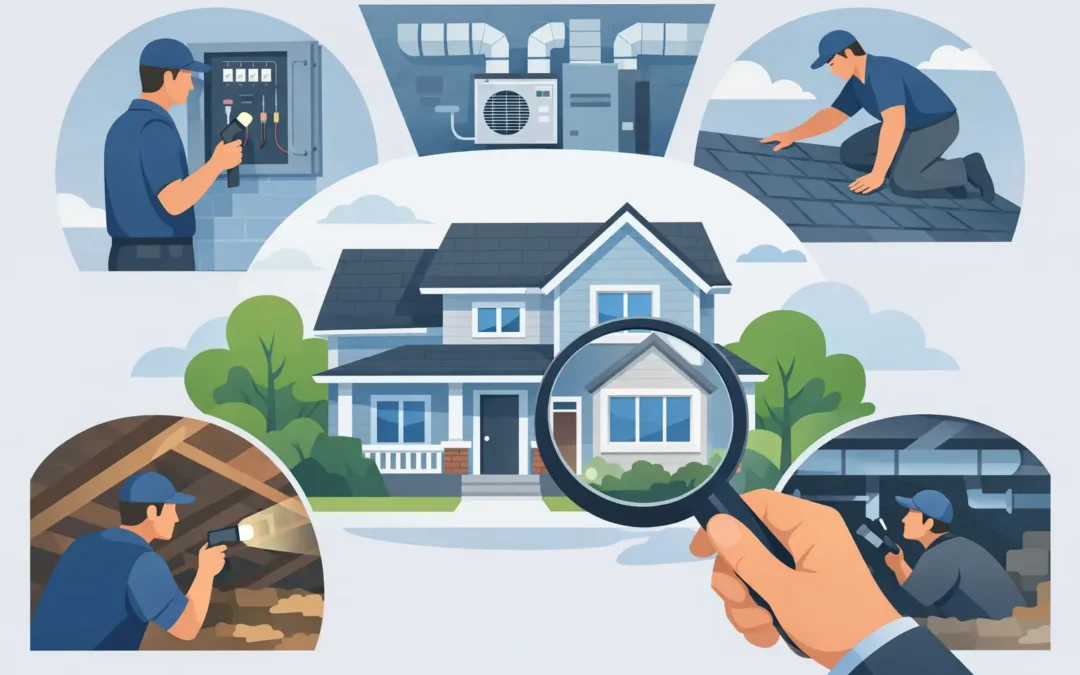
A residential inspection typically covers the major visible and accessible parts of the home. That often includes the roof, exterior, grading and drainage, foundation, crawl space, attic, insulation, plumbing, electrical, heating, cooling, interior rooms, doors, windows, and built-in appliances.
The key word is accessible. If an area is blocked by storage, finished over, locked, or otherwise not safely reachable, that can limit what can be evaluated. That is not unusual. It is simply one of the practical realities of inspecting an occupied property.
The inspection is also a snapshot in time. A home may perform differently during heavy rain, freezing weather, or the peak of summer. That is one reason experienced inspectors pay attention to signs of wear, moisture staining, ventilation issues, and other clues that point to larger patterns.
The issues that deserve the closest attention
Not every finding carries the same weight. Some are routine maintenance items. Others can affect negotiations, planning, or how quickly you want additional evaluation. In most residential transactions, the biggest concerns tend to fall into a few categories.
Moisture is high on the list. Water intrusion, poor drainage, plumbing leaks, condensation, and ventilation problems can all lead to larger damage over time. In Idaho homes, crawl spaces, basements, attics, and areas around roofing penetrations deserve careful attention because small moisture problems often stay hidden until they become expensive and disruptive.
Structural movement is another area where context matters. Hairline cracking may be ordinary settling, while larger movement patterns or signs of shifting may call for closer review. The inspection report should help you understand what appears minor and what deserves a second look.
Electrical and mechanical systems matter because they affect daily living as much as long-term planning. A home can still be a good purchase if the furnace is older or the water heater is nearing the end of its expected service life. The important thing is knowing that before you move in, not after your first cold week.
Health-related concerns also matter, especially when there are signs of elevated moisture or visible growth. If conditions suggest possible mold, further inspection can help clarify the extent of the issue and what needs to happen next.
How buyers should use this residential inspection guide
If you are buying, the inspection is your chance to slow down and get specific. It is easy to focus on finishes, layout, and curb appeal when touring homes. The inspection shifts the conversation to condition and maintenance.
Start by attending the inspection if possible. You do not need to follow the inspector step by step, but being present gives you a chance to see the home more carefully and ask practical questions. Most clients retain information better when they hear explanations on site and later review the report with those same areas in mind.
Once the report arrives, resist the urge to treat every item as equally urgent. Most homes, including well-kept ones, will have findings. The better approach is to separate the list into major concerns, moderate repairs, and routine maintenance. That helps you decide what to address in negotiations, what to budget for after closing, and what simply comes with owning a home.
It also helps to remember that no house is perfect. Even newer homes can have defects, and older homes often have a longer list of deferred maintenance. The right question is not whether the report is clean. The right question is whether you understand the condition well enough to move forward confidently.
How sellers can benefit before listing
Sellers often think inspections only matter once a buyer is under contract. In practice, a pre-listing inspection can make the process smoother long before that point. When you know about issues early, you have more control over timing, repairs, and expectations.
That can reduce last-minute surprises and make negotiations feel less reactive. It also helps you present the home more honestly. Buyers tend to feel more comfortable when the condition has been evaluated clearly and the seller is not guessing about the property’s problem areas.
A pre-listing inspection does not mean you have to fix everything. Sometimes the best move is to address the more significant concerns and leave smaller items for the next owner to handle. Other times, it makes sense to document the condition and price or market the home accordingly. The value is in clarity.
What to expect from the report
The report should not leave you wondering what happened during the inspection. It should show the property’s condition in a way that is easy to follow, with photos, straightforward descriptions, and a summary that highlights the most important findings.
This is where communication really matters. A clear summary page can save clients a lot of time because it points them quickly toward the issues most likely to influence decisions. The supporting detail is still important, but the summary helps buyers, sellers, and agents get oriented fast.
Reports are most useful when they explain findings in everyday language. You should not need specialized knowledge to understand whether an issue appears minor, active, aging, or worth further evaluation. Summit Inspections has built its service around that kind of clarity because clients need usable information, not just technical observations.
When a full inspection is not the only answer
Sometimes a full home inspection is the right choice. Sometimes a more focused inspection makes sense. If you already know your main concern is the attic, crawl space, or visible moisture, a partial inspection can be a practical step.
That is especially helpful for property owners who are not in an active sale but want answers about one troubling area. It can also help buyers and sellers who need more detail on a specific concern without losing time.
The right scope depends on the property, your goals, and what you already know. A good inspector will help you choose the option that matches the situation instead of pushing a one-size-fits-all approach.
Choosing an inspector with confidence
A residential inspection guide would not be complete without this point: the quality of the inspection depends heavily on the quality of the inspector. You want someone certified, insured, responsive, and willing to explain what they are seeing in plain language.
Thoroughness matters, but so does communication. A rushed inspection or a vague report can leave you with more uncertainty than you started with. On the other hand, a detailed inspection paired with clear explanations can make a stressful transaction feel much more manageable.
Look for an inspector who treats your questions seriously, communicates clearly before and after the appointment, and delivers a report you can actually use. That kind of service is valuable whether the home turns out to be in great shape or reveals several issues.
A property inspection does not make the decision for you. What it does is replace assumptions with evidence, so your next step is based on something solid. And when you are making a major real estate decision, that kind of clarity goes a long way.