
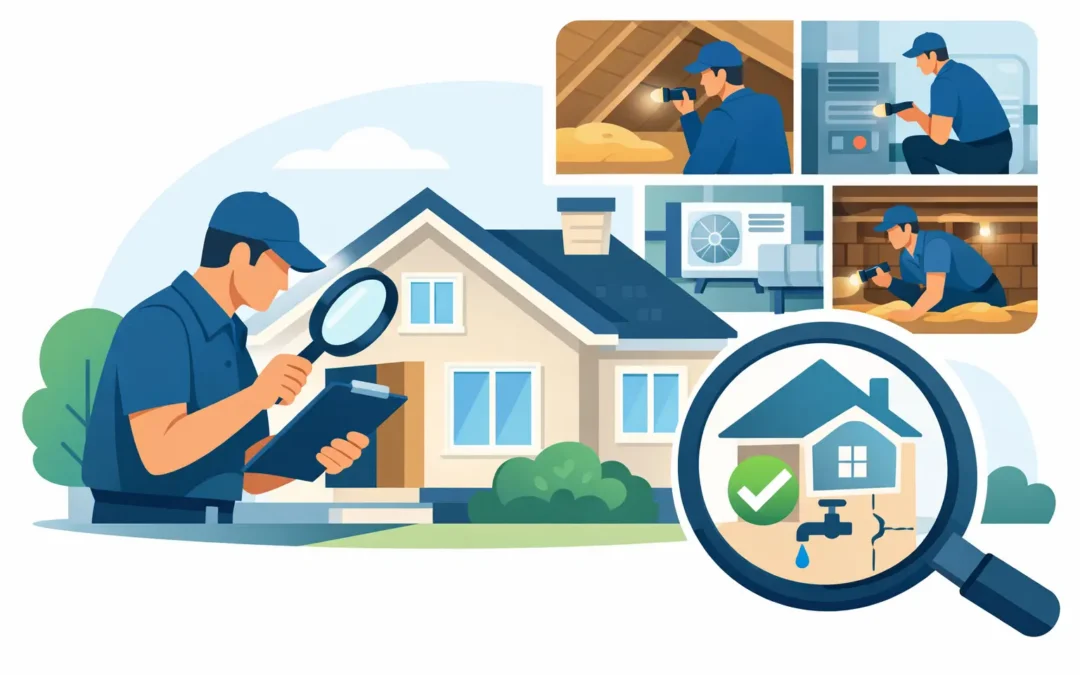
The moment a home starts to feel real is usually not when you tour it. It is when someone starts checking the roof, the attic, the crawl space, the outlets, and the systems you cannot fully judge during a showing. That is where a first time home inspection guide can make the process feel a lot less intimidating.
For many buyers, the stress is not just about what might be wrong with the house. It is about not knowing what is normal, what is serious, and what comes next if the report lists more issues than expected. A home inspection is not designed to scare you away from a purchase. It is there to give you a clear picture of the property’s condition so you can make informed decisions with confidence.
What a first time home inspection guide should help you understand
A good inspection gives you a practical snapshot of how the home is performing at the time of the visit. It is a visual, non-invasive assessment of major accessible components, with the goal of identifying material defects, safety concerns, and maintenance items that deserve attention.
That means an inspector is looking at the home as a system, not just as a collection of rooms. The roof affects the attic. Drainage affects the foundation and crawl space. HVAC performance matters differently if windows are aging or insulation is lacking. What you receive is not just a list of flaws. It is context.
For first-time buyers, that context matters as much as the findings themselves. Most homes, including well-maintained homes, will have items in the report. A long report does not automatically mean a bad house. Often it means the inspector was thorough and took the time to explain what they saw.
What the inspector is typically checking
During a standard home inspection, attention usually goes to the roof, exterior, grading and drainage, foundation, attic, insulation, plumbing, electrical, heating and cooling, interior surfaces, windows, doors, and visible structural elements. If the home has a crawl space, garage, deck, or fireplace, those areas are commonly reviewed as well.
The goal is to identify signs of current problems, past repairs, deferred maintenance, or conditions that could lead to bigger issues. Water intrusion, ventilation concerns, worn roofing materials, plumbing leaks, electrical defects, and moisture-related conditions are common examples.
What an inspector does not do is guarantee that every hidden issue will be found. No inspection can see through walls or predict the future. That is why the best inspectors explain both what they observed and what limitations affected the inspection.
What to do before inspection day
If you are the buyer, try to attend the inspection if your schedule allows. You do not need to follow the inspector step by step, but being there gives you a chance to see concerns firsthand and ask questions in real time. For many first-time buyers, that conversation is where the process becomes much easier to understand.
Bring a short list of things you noticed during showings or questions you want clarified. Maybe one bedroom felt colder than the rest of the house. Maybe there was staining in the basement or a musty smell near a closet. Mentioning those observations helps ensure those areas get a closer look.
It also helps to arrive with the right expectations. This is not a pass-or-fail event. It is a fact-finding process. Even newer homes can have defects, and older homes almost always come with a mix of aging components and maintenance needs. The key is understanding which items are routine and which ones affect safety, function, or future planning.
How to read the report without overreacting
The report is where many first-time buyers get overwhelmed. Seeing page after page of photos and notes can make any home look worse than it felt during a tour. That is why clarity matters.
Start with the summary section if your report includes one. This usually highlights the most important findings first, which helps you separate major concerns from smaller maintenance items. From there, read the full report for detail, but keep perspective. A loose handrail and a failing roof are not in the same category, even if both appear in the same document.
A useful way to think about findings is in three groups. First, there are safety concerns or major defects that may need prompt attention. Second, there are functional issues where a system or component is not performing as intended. Third, there are maintenance items and age-related wear that come with normal homeownership.
If you are unsure how a finding fits, ask. A dependable inspector should be able to explain the practical meaning of the issue in plain language. Summit Inspections builds trust by making reports easy to read and by helping clients understand what deserves immediate attention versus what can be monitored over time.
Common issues first-time buyers should not ignore
Some findings carry more weight because they can affect multiple parts of the home or create health and moisture concerns if left unresolved. Water-related problems are high on that list. Stains, active leaks, poor drainage, plumbing drips, condensation, or signs of past moisture intrusion deserve careful attention because water tends to create secondary damage over time.
Electrical concerns also matter because they affect safety and reliability. The same goes for significant HVAC defects, structural movement that appears active or pronounced, and ventilation problems in attics or crawl spaces. If mold-like growth or persistent moisture conditions are present, that may call for further evaluation as well.
That said, not every issue needs to stop a transaction. Some homes simply need a realistic plan for repairs and maintenance. The inspection helps you understand the condition you are buying, not chase perfection in a property that may not exist.
What happens after the inspection
Once you have the report, the next step depends on the findings and your purchase timeline. In some cases, buyers move forward with confidence because the report confirms the home is generally in solid condition. In others, the report raises questions that lead to additional review of a specific area, such as the attic, crawl space, or signs of moisture.
This is also where negotiation decisions may come into play. The inspection report can help you and your real estate agent decide what is reasonable to address, what should be evaluated further, and what you are comfortable accepting as part of the home’s current condition.
The strongest approach is usually the most practical one. Focus on items with real impact rather than trying to create a perfect list. A clear, well-documented report supports better decisions because it helps everyone work from the same facts.
A few trade-offs worth understanding
Every inspection involves some level of judgment. A very old home may have more visible wear but still be a good purchase if the structure is sound and you are prepared for ongoing maintenance. A newer home may look cleaner on the surface but still have installation defects or moisture concerns that need attention.
There is also a trade-off between speed and understanding. Buyers sometimes want fast answers, especially during a busy transaction, but a rushed inspection or a confusing report can create more stress later. It helps to work with an inspector who is responsive, thorough, and willing to explain findings clearly.
That matters even more for first-time buyers. You are not just buying a home. You are stepping into the responsibility of maintaining one. The inspection is one of the few points in the process where you can slow down, ask questions, and get a clearer sense of what ownership may actually involve.
How this first time home inspection guide can help you feel prepared
The best way to use a first time home inspection guide is to shift your mindset from fear to clarity. You do not need a perfect report. You need an honest one. You need to know what the house is telling you now so you can decide what comes next with open eyes.
If you attend the inspection, ask thoughtful questions, and take time to review the report carefully, you will be in a much stronger position than someone who simply waits for a pass-or-fail answer. That is true whether the home is your dream house, an older property with character, or a practical investment in your next chapter.
A home inspection is not there to complicate the purchase. It is there to make the decision clearer. And for a first-time buyer, that kind of clarity is not just helpful. It is part of buying with confidence.