A home inspection is the point in a real estate transaction when assumptions give way to evidence. A house may look well cared for during a showing, but its major systems, attic, crawl space, roof, and drainage conditions can tell a more complete story. For Idaho buyers and sellers, a clear inspection helps turn a high-stakes decision into a more informed one.
The goal is not to make a property look perfect. Very few homes are perfect, including newer ones. The goal is to identify visible concerns, explain what they may mean, and give you a practical picture of the home’s current condition.
What a Home Inspection Covers
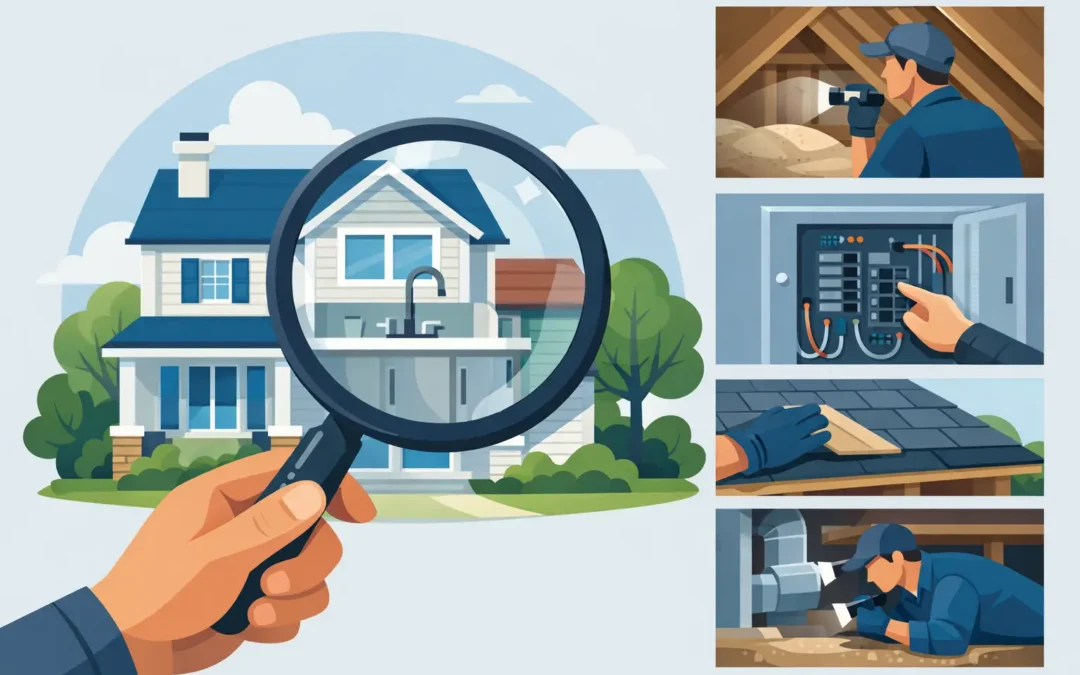
A thorough inspection looks at the readily accessible parts of a property and how its major components appear to be performing at the time of the visit. That typically includes the roof, exterior surfaces, foundation, structure, heating and cooling equipment, plumbing, electrical components, interior rooms, windows, doors, insulation, ventilation, attic, and crawl space when accessible.
The inspection is a visual, non-invasive evaluation. An inspector does not open walls, move stored belongings, or predict exactly when a system will fail. Still, experienced observation can reveal signs that deserve attention: moisture staining in an attic, damaged roof materials, unsafe electrical conditions, slow drainage, inadequate ventilation, structural movement, or evidence of past repairs.
Good reporting matters as much as finding an issue. A useful report separates significant concerns from routine maintenance items and explains each finding in plain language. Full-color photos and a clear summary page make it easier to see what needs prompt attention and what can be planned for later.
Why Buyers Benefit From an Inspection
Buying a home involves more than deciding whether you like the layout or neighborhood. You are also taking responsibility for the property’s maintenance needs, systems, and potential repairs. An inspection gives you a chance to understand those responsibilities before the transaction is complete.
For a first-time buyer, the report can serve as a practical introduction to the home. It may point out where the main water shutoff is located, note aging components, and identify maintenance that will help protect the property over time. For experienced buyers and investors, it provides documentation that can support a more confident decision.
Not every finding should stop a purchase. Older homes often have wear that reflects their age, and even well-maintained properties may have a few repairs on the horizon. The key is context. A loose handrail and signs of significant moisture intrusion do not carry the same weight. A careful inspector helps clients understand that difference without creating unnecessary alarm.
The inspection period can also be the right time to ask questions. If a finding is unclear, ask what the inspector observed, why it matters, and whether a qualified specialist should evaluate it further. The best answers are direct and specific, not overly technical.
The Value of Attic and Crawl Space Access
Some of a home’s most telling conditions are found in places buyers rarely see during a walkthrough. Attics can reveal insulation levels, ventilation concerns, roof leaks, and signs of moisture. Crawl spaces may show standing water, plumbing leaks, damaged insulation, wood deterioration, or drainage issues.
These areas are especially relevant in Idaho, where seasonal weather and changing moisture conditions can affect a property’s performance. Access is not always possible due to safety concerns, limited clearance, or stored items, but an inspector should clearly document what was and was not accessible. Knowing those limitations is part of getting an honest assessment.
Why Sellers Should Inspect Before Listing
A pre-listing inspection gives sellers the opportunity to learn about concerns before a buyer brings them forward. That does not mean every item must be repaired. It means you can make decisions on your own timeline, gather documentation for completed work, and avoid being caught off guard during negotiations.
Sellers often benefit from addressing straightforward maintenance issues that could distract from the home’s strengths. They may also choose to disclose larger concerns clearly rather than discovering them late in the process. Either approach can reduce uncertainty and help conversations stay focused on facts.
A pre-listing report can also help a seller prepare for buyer questions. If the roof is older but functioning as intended, or if an attic stain reflects a repaired past leak, having clear information available can provide helpful context. Transparency builds confidence more effectively than guessing.
Mold Concerns Need a Clear Response
Mold concerns can make a property decision feel urgent, especially when there is a musty odor, visible growth, water staining, or a history of leaks. The presence of mold-like material is not something to ignore, but it also should not lead to assumptions before the moisture source and affected areas are understood.
A focused mold inspection can help identify visible signs, likely moisture contributors, and areas that may need further evaluation. Bathrooms, basements, crawl spaces, attics, and spaces around plumbing are common areas of concern because moisture can collect there without immediate notice.
The lasting solution is usually tied to moisture control. Cleaning visible material without addressing a leak, drainage issue, or ventilation problem may allow the condition to return. When mold removal is needed, the work should focus on correcting the cause as well as treating the affected area.
How to Get the Most From Inspection Day
You do not need to be present for every minute, but attending the final portion of the inspection can be valuable when your schedule allows. It gives you a chance to see key concerns firsthand and ask questions while the details are fresh.
Come prepared with a few priorities. If you noticed a stain, an uneven floor, a window that sticks, or an odor during your showing, mention it. An inspector can pay particular attention to those observations and explain what is visible. This is also a good time to ask about routine maintenance for the home’s systems.
Avoid treating the report like a simple pass-or-fail document. A property inspection is more useful when you read it as a planning tool. Review the summary first, then look at the supporting photos and explanations. Consider which items require prompt action, which may need a specialist, and which belong on a future maintenance list.
When a Partial Inspection Makes Sense
Sometimes you do not need a full-property inspection. A partial inspection may be the better fit when you already own the home and have a specific concern about an attic, crawl space, roof area, or visible moisture condition. It can also help property owners gather focused information before deciding what type of repair professional to contact.
The trade-off is straightforward: a partial inspection provides a closer look at a defined area, but it does not offer the broad perspective of a complete evaluation. If you are purchasing a property, a full inspection is usually the stronger choice because systems and conditions can affect one another.
Choosing an Inspector You Can Trust
Look for an inspector who is certified, fully insured, responsive, and willing to explain findings in everyday language. Fast scheduling is helpful, but thoroughness should never be rushed. You should know what the inspection includes, what access limitations existed, and how to interpret the report after it arrives.
Personal attention makes a real difference. Summit Inspections provides clients with detailed explanations, straightforward service, and easy-to-read reports designed to support decisions rather than add confusion. Whether you are buying, selling, or checking on a property you already own, clear information helps you take the next step with confidence.
A home is not just a transaction or a checklist of features. It is a system of materials, maintenance, and conditions that deserve a careful look. Ask questions, read the report closely, and use what you learn to make the decision that fits your plans for the property.