
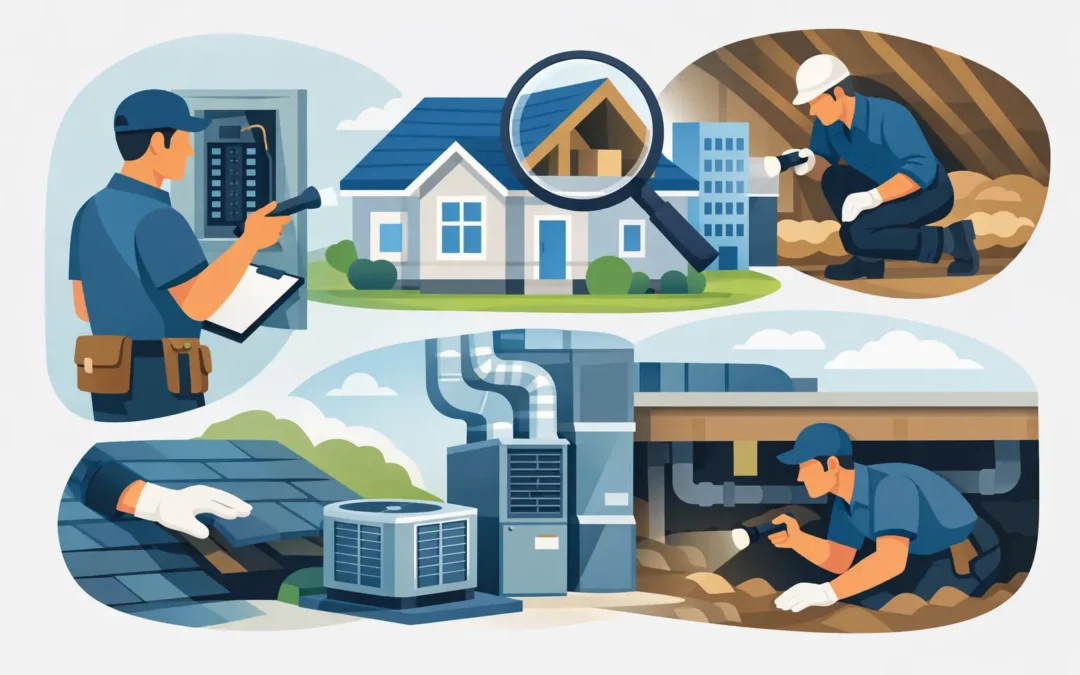
A house can look solid during a showing and still hide moisture damage in the crawl space, aging electrical components, or roof wear that only shows up under close review. That is why so many buyers ask, when should buyers get inspection? The short answer is before closing and as early in the purchase process as their contract allows. The better answer depends on the property, the market, and how much information the buyer needs before making final decisions.
When should buyers get inspection during a purchase?
For most home purchases, the inspection should happen after the seller accepts the offer but before the buyer is fully committed to the transaction. That window matters because it gives buyers a chance to understand the home in real terms, not just based on photos, disclosures, or a quick walk-through.
This is where timing can make a real difference. If the inspection happens early in the contingency period, buyers usually have more room to review findings, ask follow-up questions, and decide what comes next. If it gets pushed too late, buyers can feel rushed when they should be making careful choices.
A professional inspection is not just a box to check. It is one of the clearest opportunities to learn how a property is performing, where conditions may need attention, and which issues are routine versus more significant. Buyers who schedule promptly tend to have more control over the process.
Why earlier is usually better
Waiting too long creates pressure. Inspection reports often reveal a mix of small maintenance items and larger concerns, and buyers need time to sort through both. A report may point to roof aging, active leaks, ventilation problems, or signs of mold in areas that were not obvious during the initial tour.
When the inspection is scheduled early, buyers can slow down enough to understand the findings. They can talk through what matters now, what may need monitoring, and what affects the purchase decision. That is especially helpful for first-time buyers who are trying to separate normal wear from true red flags.
Early scheduling also helps when specialized follow-up is needed. If the inspector identifies moisture staining, suspect mold growth, or a hard-to-access area that deserves closer review, buyers still have time to arrange a more focused inspection. That extra step is much easier when the calendar is not working against you.
What can affect when buyers should get inspection?
The ideal timing is not identical in every transaction. A vacant home with visible deferred maintenance may call for immediate inspection because issues are more likely to be present and buyers may want answers fast. A newer home may look lower-risk, but newer does not mean defect-free, so delaying still does not offer much benefit.
The type of property matters too. A single-family home, condo, small commercial building, or investment property can each raise different concerns. Some buyers want a full inspection right away. Others may also need targeted attention on a crawl space, attic, or moisture-prone area. The right timing depends partly on how much information is needed to make a confident decision.
Market conditions can also shape the schedule. In a fast-moving market, buyers sometimes feel pressure to move quickly and keep the process tight. Even then, the inspection should not become an afterthought. Fast scheduling is useful, but clear reporting and time to review the results are what actually protect the buyer.
When should buyers get inspection on older homes?
Older homes deserve especially prompt attention. Age alone does not mean a home is a bad investment, but older properties tend to have more layers of repair history, more wear across major systems, and more chances for hidden issues behind finished surfaces.
In those cases, buyers should schedule the inspection as soon as possible after going under contract. The goal is to identify the property’s current condition while there is still time to evaluate next steps. Older homes often benefit from a thorough inspection process because even well-kept properties can have aging components that affect planning and expectations.
This is also where plain-language reporting matters. Buyers do not just need technical observations. They need to understand which findings are common for a home’s age, which deserve prompt attention, and what questions should be asked before moving forward.
New construction still needs inspection
Some buyers assume a newly built home can skip the inspection process. That is a risky assumption. New construction can still have installation issues, incomplete work, drainage concerns, ventilation problems, or defects that are easier to address before closing.
For new homes, timing still matters. Buyers should arrange an inspection before the transaction is final so the condition of the property can be reviewed independently. Depending on the situation, some buyers also choose additional inspections at other stages, especially when they want more visibility into areas that may be covered later.
The point is simple: new does not guarantee trouble-free. An inspection gives buyers a clearer picture of what they are actually receiving.
What buyers gain from getting the inspection at the right time
The biggest benefit is clarity. Buying property comes with a lot of moving parts, and uncertainty tends to create stress. A timely inspection helps buyers replace guesswork with usable information.
That information can support several decisions at once. It helps buyers understand immediate repair concerns, long-term maintenance needs, and whether additional evaluation is appropriate. It can also shape conversations during the transaction, since inspection findings often influence how buyers and sellers move forward.
Just as important, the right inspection timing gives buyers room to absorb the report without panic. A thorough report may be detailed, but it should still be easy to follow. Buyers need a clear summary, supporting photos, and straightforward explanations so they can quickly understand the property’s condition.
Common mistakes buyers make with inspection timing
One common mistake is waiting to schedule until the end of the inspection period. That often happens because buyers are juggling financing, paperwork, and moving plans. But the later the inspection happens, the less flexibility the buyer has if concerns show up.
Another mistake is assuming the walk-through told the whole story. A clean kitchen, fresh paint, and a tidy living room do not reveal what is happening in the attic, under the home, or around moisture-prone areas. Cosmetic appeal can make buyers feel more confident than the property condition actually supports.
Some buyers also focus only on major defects and overlook the value of understanding the home as a whole. Even when a report does not reveal a deal-breaking issue, it can still provide a practical roadmap for ownership. That is useful information whether the buyer is purchasing a primary residence, a rental, or a commercial property.
How to prepare once the inspection is scheduled
Buyers do not need to become experts before the appointment, but they should come prepared with questions. If they noticed staining, uneven floors, musty odors, cracks, or signs of past repairs during their showing, those concerns should be shared with the inspector. Details like that can help focus attention on the areas that matter most.
It also helps to leave enough time after the inspection to read the report carefully. A good report should be clear and organized, with photos that support the written findings and a summary that makes next steps easier to understand. If anything is unclear, buyers should ask. The goal is not just to receive a report but to leave the process better informed.
For Idaho buyers, this is often where a local, responsive inspection company makes the experience easier. Summit Inspections focuses on clear communication, thorough evaluations, and reports that are practical to use when decisions need to be made quickly.
The best rule of thumb for buyers
If you are wondering when should buyers get inspection, the safest answer is this: schedule it as soon as your accepted offer allows, and early enough that you still have time to think clearly about the results. That timing gives you more than a report. It gives you space to ask questions, consider the property’s condition, and make decisions with better information.
A home purchase already comes with enough uncertainty. The right inspection, at the right time, helps replace some of that uncertainty with facts you can actually use.