
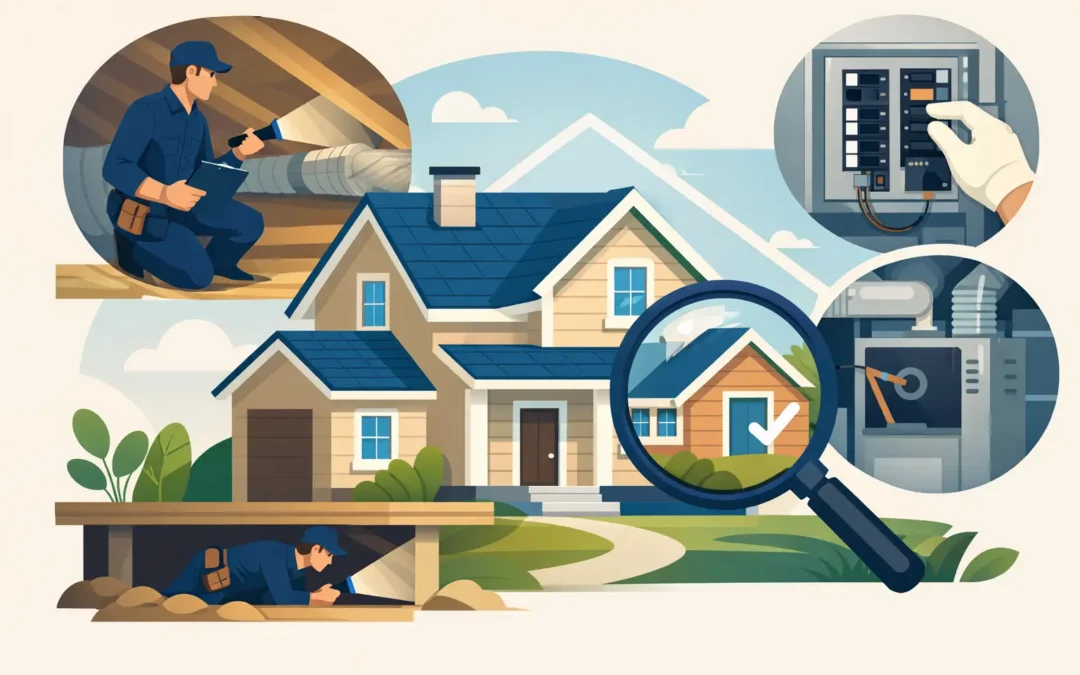
A home inspection often feels straightforward until the inspector arrives and cannot reach the attic hatch, the electrical panel is blocked by storage bins, or a small plumbing leak turns into a bigger conversation than it needed to be. If you are wondering how to prepare for home inspection, the goal is not to make a home look perfect. The goal is to make it accessible, safe to evaluate, and representative of how it actually functions.
That distinction matters. Inspectors are there to document visible conditions, test major systems, and report what they find in clear terms. Good preparation helps the inspection move efficiently and reduces the chance that simple access issues or avoidable surprises create unnecessary stress.
How to Prepare for Home Inspection Before the Appointment
The best time to prepare is a few days ahead, not the night before. That gives you enough time to address minor issues, organize key areas, and avoid the rushed feeling that leads to missed details.
Start with access. The inspector will need a clear path to the electrical panel, furnace or air handler, water heater, attic entry, crawl space entrance, garage walls, and under sinks. If those areas are packed with boxes, stored paint cans, seasonal decorations, or furniture, move them in advance. A home does not need to be empty, but the systems do need to be reachable.
Next, make sure all utilities are on. Water, electricity, and gas should be active if the home uses them. Appliances that are built in should also be connected and ready for normal operation. If a home has been vacant, it is worth double-checking this rather than assuming everything is still functioning as expected.
If you know about small issues, take care of the reasonable ones. Replace burned-out light bulbs so fixtures can be properly tested. Install fresh batteries in smoke alarms if they are chirping. Tighten a loose doorknob, secure a handrail, or address a dripping faucet if it is a simple fix. These items may seem minor, and they often are, but a cluster of small deferred-maintenance issues can shape how a property presents overall.
Focus on Function, Not Staging
Sellers often ask whether they should clean before the inspection. The short answer is yes, but not for the same reasons you would clean for a showing. This is not about presentation in the traditional sense. It is about visibility.
An inspector should be able to see the base of toilets, the walls around windows, the floor around the water heater, and the surfaces beneath sinks. Heavy clutter can hide staining, active leaks, damage, or mold-related concerns. A reasonably clean and orderly home makes it easier to document the condition accurately.
That said, perfection is not the standard. Lived-in homes show signs of use. What matters is whether the inspector can clearly observe accessible areas and operate normal components such as windows, doors, faucets, receptacles, and installed appliances.
Exterior Areas Matter More Than Many Sellers Expect
A lot of preparation focuses on the inside of the home, but exterior access is just as important. If the inspector cannot walk the perimeter, examine siding, or view grading near the foundation, the report may note limitations that could have been avoided.
Trim back vegetation that is pressed tightly against the house, especially around crawl space vents, service equipment, and exterior walls. Unlock gates if fenced sections of the property need to be accessed. Move vehicles away from the garage and driveway areas if they block the view of walls or limit testing of garage doors.
If there has been heavy snow, seasonal weather can affect what is visible. That is normal in Idaho and often beyond anyone’s control. Still, clearing what you reasonably can – such as paths to entries, decks, or service areas – helps the inspection go more smoothly.
Roof and attic access
You do not need to do roof work before an inspection, and in many cases you should not. But you should make attic access easy. Remove stored items below the hatch or pull-down ladder, and confirm the opening is not painted shut or obstructed. Attics often reveal ventilation issues, insulation concerns, staining, and past moisture patterns, so access matters.
What to Do With Pets and People
One of the simplest ways to improve an inspection day is to reduce distractions. If possible, arrange for pets to be off-site or securely contained in a way that does not block any part of the inspection. Even friendly animals can make it harder to move through the home efficiently.
It also helps if the home is not overly busy during the appointment. Depending on the situation, buyers may attend, sellers may step out, and agents may coordinate access. There is no single rule that fits every transaction, but a calm environment usually leads to a more efficient inspection.
If you are the seller, leave keys, garage remotes, alarm instructions, and any necessary access information in an obvious place. If there are special operating instructions for a gate, detached building, or utility area, make those available as well.
Be Honest About Known Issues
Preparing well does not mean hiding defects. In fact, trying to cover up a problem usually creates more concern, not less. Freshly moved storage, strong air fresheners near a damp area, or obvious patchwork around a stain can raise questions that would be better addressed directly.
A better approach is simple transparency. If there has been a past leak that was professionally repaired, it is helpful to have that information available. If a sump pump only operates during certain seasons, say so. If a window sticks in winter but works more smoothly in warmer months, that context can be useful.
Inspectors are trained to report current visible conditions, and buyers generally respond better to clear information than to signs that something may have been concealed. Honest preparation supports trust.
Areas That Commonly Get Overlooked
When people think about how to prepare for home inspection, they usually focus on the obvious systems. The overlooked items are often what slow things down.
Check the water heater area and furnace closet for storage. Open access to the main shutoffs if they are visible and safely reachable. Make sure sinks, tubs, showers, and toilets can be operated normally. Replace HVAC filters if they are overdue, not because it changes the age or condition of the system, but because a very dirty filter can affect airflow and reflect deferred upkeep.
Windows are another common issue. If a window is painted shut, blocked by furniture, or nailed closed, the inspector may document that it could not be fully evaluated. Interior doors should open and close without boxes or stored items behind them. If you have a crawl space, make sure the entry is not buried under shelving or yard equipment.
If the home is vacant
Vacant homes need a slightly different kind of preparation. Run water through fixtures before the appointment if possible, especially if drains have been dry. Check for tripped breakers. Confirm that heating or cooling systems can be operated under normal conditions. Homes that sit empty can develop issues that are easy to miss until someone actively tests the systems.
Preparation Helps, but It Does Not Change the House
This is where expectations matter. A well-prepared home can create a smoother, more complete inspection, but it does not erase age, wear, or material defects. An older home may still have dated components. A newer home can still have moisture issues, installation problems, or maintenance concerns.
That is why smart preparation is practical, not cosmetic. You are not trying to impress the inspector. You are helping the process reveal the home’s condition clearly, with fewer avoidable limitations.
For buyers, this matters too. If you are preparing for an inspection on a home you plan to purchase, it helps to know that an accessible property tends to produce a more useful report. If the inspection includes specialized concerns such as mold or a focused area like a crawl space or attic, good access becomes even more important.
A Simple Mindset for Inspection Day
If you want the shortest version of how to prepare for home inspection, think in three terms: access, operation, and honesty. Can the inspector reach the major systems? Can normal built-in components be operated as intended? Is the property presented in a way that reflects its true condition rather than a temporary cover-up?
That approach works whether you are selling a longtime family home, buying your first property, or getting ahead of issues before listing. At Summit Inspections, we see the best outcomes when people treat the inspection as a fact-finding step, not a performance. A little preparation goes a long way when the goal is clear answers and a smoother next step.